
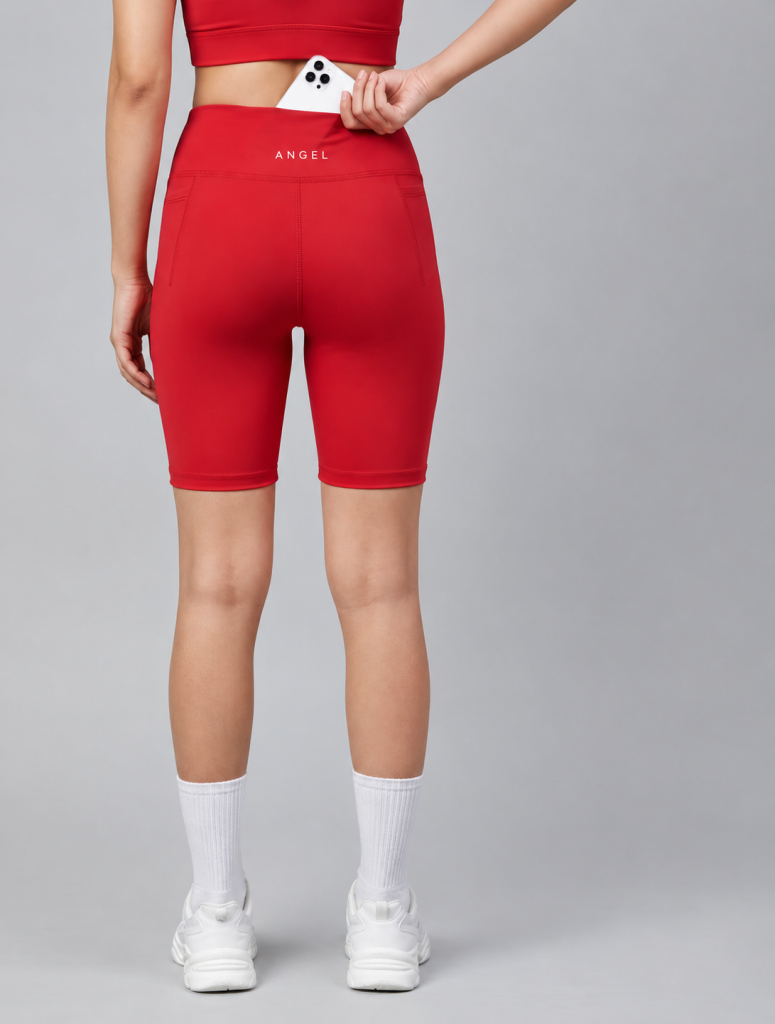
Gym and yoga clothing has become part of everyday dressing. Behind an appealing garment is a combination of fit, fabric and fabric weight chosen for its intended use.
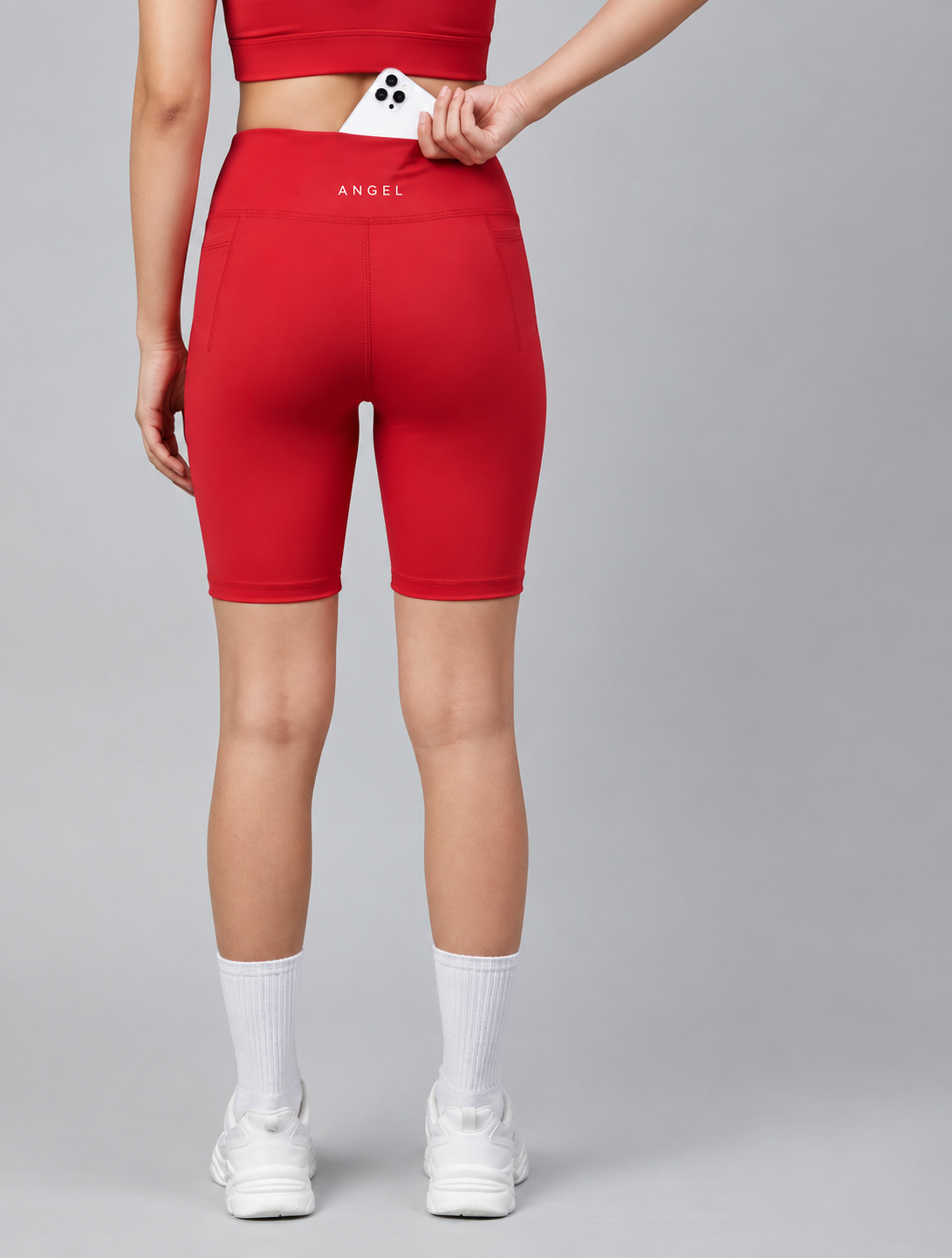
When activewear becomes everyday style
Athleisure brings sportswear and everyday fashion together. Designs originally associated with workouts can be paired with jackets, shirts or accessories for an active look during outings, travel and daily routines.
This shift creates clearer expectations for garments: they need to accommodate movement while offering wearable shapes and colours. A successful design starts with how people will use it, rather than its appearance alone.
What is GSM and why does it matter?
GSM means grams per square metre (g/m²), a measure of fabric mass per unit area. For example, a 230 GSM fabric weighs 230 grams per square metre. It provides a useful specification when discussing and checking fabric weight during sample development.
Formula: GSM = specimen mass (g) ÷ specimen area (m²). A 10 × 10 cm specimen has an area of 0.01 m². If it weighs 2.3 g, its fabric weight is 230 GSM. Checks require accurate area measurements, a suitable scale and a specimen that has not been stretched.
GSM describes mass per unit area. It does not, by itself, establish thickness, breathability, stretch or overall quality. Fabrics with the same GSM may feel different because their fibre composition and construction differ.
Choosing fabric weight for leggings and sports bras
The 210–250 GSM range in the reference content provides a starting point for discussing leggings and sports bra fabrics. For nylon/spandex or polyester/spandex options, 220–250 GSM can be considered during sample evaluation. These ranges are reference points rather than mandatory standards, and they do not apply equally to every design.
Before approving a fabric, assess stretch and recovery, coverage under tension, next-to-skin feel and stability after washing. For sports bras, support also depends on construction, straps, the underband and lining; it cannot be established from GSM alone.
From workout clothing to everyday outfits
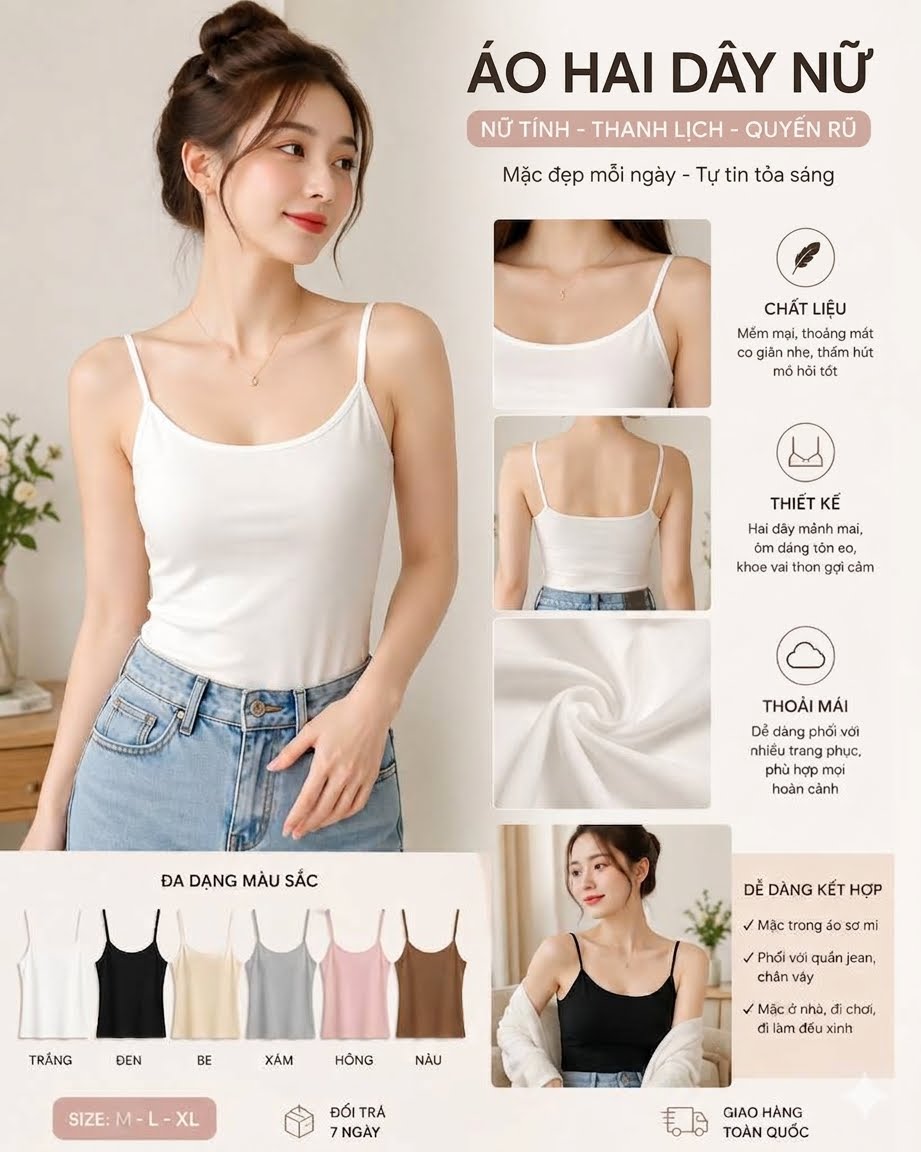
A camisole is an example of a simple everyday design that can be worn with jeans or layered under a shirt. Fabric selection should reflect its intended use; an everyday camisole does not automatically offer the performance features of workout clothing.
From an idea to a suitable garment sample
When preparing a gym and yoga collection, start by defining the garment type, intended activity, desired fit and measurement chart. The next steps are to select swatches, agree on composition and GSM, develop the pattern and make a sample for fitting.
Sample approval helps assess how fabric, fit and seams work together before production. Claims such as quick drying, moisture management, UV protection or opacity during movement need appropriate verification for the selected material.
Develop activewear with ANGEL
ANGEL specialises in the design and manufacturing of sportswear, gym wear and yoga apparel. Share your reference images, product ideas and fabric requirements to discuss a direction for sample development.
Contact ANGEL through the website to discuss design and manufacturing.
Chat on WhatsApp: +84 909 260 115
Edited by ANGEL
Thank you for reading. Share your thoughts in the comment box below.